RELIANCE ELECTRIC P14H1901T-QW Rpm Brake Master Cylinder FJ145T Hp. 1725 Rpm. Motor 230/460
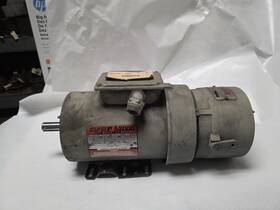
( Brand: Reliance Electric ), ( Manufacturer Part Number: P14H1901T-QW ), ( Model: FJ145T 2HP ), ( Part Type: Hp Brake Cylinder Motor ), ( Inverter/vector Duty Rating: Not Inverter/vector Duty Rated ), ( Special Motor Construction: Brake Motor ), ( Ac Frequency Rating: 60 Hz ), ( Enclosure Type: Te ), ( Base Rpm: 1725 ), ( Shaft Type: Keyed ), ( Ac Motor Type: Induction/asynchronous ), ( Shaft Diameter: 7/8 In ), ( Insulation Class: F ), ( Mounting Type: Base-mounted ), ( Reversible/non-reversible: Reversible ), ( Current Type: Ac ), ( Ip Rating: Not Rated ), ( Service Factor: 1.15 ), ( Nominal Rated Input Voltage: 208 V, 230 V, 460 V ), ( Ac Phase: Three Phase ), ( Country Of Origin: United States )
Review RELIANCE ELECTRIC Hp. Rpm. Brake Motor Duty Master 230/460 Ph
The **Reliance Electric P14H1901T-QW** is a high-performance, industrial-grade brake motor designed for demanding applications requiring precise control, reliability, and efficiency. This **1725 RPM, 230/460V, 145 Torsion (T) motor** is engineered with a **NEMA Premium efficiency rating**, ensuring optimal energy savings while maintaining superior mechanical performance. Built with a **TEFC (Totally Enclosed Fan-Cooled)** enclosure, it provides robust protection against dust, moisture, and contaminants, making it ideal for harsh industrial environments such as manufacturing plants, material handling systems, and conveyor applications. The motor features a **permanent split-capacitor (PSC) induction design**, delivering smooth, consistent operation with minimal maintenance requirements, while its **high-torque starting capability** ensures reliable performance even under heavy loads.
At the heart of this motor is a **high-quality, ruggedly constructed stator and rotor assembly**, constructed from premium materials to withstand prolonged use without degradation. The **145 T torsion rating** indicates its ability to handle significant torque demands, making it well-suited for applications like **extruders, mixers, compressors, and heavy-duty pumps** where consistent power delivery is critical. The **brake motor variant** incorporates a **spring-applied, electrically-released holding brake**, providing an additional layer of safety by preventing unintended rotation when power is lost, which is essential for applications requiring precise positioning or emergency stops. This brake mechanism is designed for durability, featuring **low maintenance components** and a **long operational lifespan**, reducing downtime and operational costs.
The **P14H1901T-QW** is built to meet or exceed **NEMA MG1 and UL/CSA safety standards**, ensuring compliance with stringent industrial regulations while offering flexibility in installation. Its **standard NEMA 4/4X flange mounting** allows for easy integration into existing systems, and the **dual-voltage capability (230V/460V)** provides versatility for different electrical infrastructures. The motor s **efficient cooling system**, combined with its **low-noise operation**, contributes to a quieter, more comfortable working environment. Whether deployed in **continuous-duty or intermittent applications**, this motor delivers **consistent performance, extended service life, and cost-effective energy consumption**, making it a dependable choice for industries prioritizing reliability and productivity.
### **Pros and Cons of buying a Reliance Electric P14H1901T-QW (1725 RPM, Brake Motor, 230/460V, 145 HP)**
#### **Pros:**1. **High Power Output (145 HP)** Suitable for heavy-duty industrial applications, including conveyors, compressors, pumps, and machinery requiring substantial torque and speed.
2. **Dual Voltage (230V/460V)** Offers flexibility in power supply options, making it adaptable to different electrical infrastructures without requiring a voltage converter.
3. **Brake Motor Design** The built-in mechanical brake provides quick stopping capability, which is critical in applications where safety and precise control are essential (e.g., material handling, packaging lines).
4. **Reliance Electric Brand Reputation** Reliance Electric (now part of Emerson) is a well-established manufacturer known for durable, high-performance industrial motors with strong after-sales support.
5. **1725 RPM Speed** This speed is common in industrial applications, balancing efficiency and torque requirements for many machinery types.
6. **Potential Energy Efficiency** Modern industrial motors, including this model, often incorporate energy-saving features, reducing operational costs over time.
7. **Compatibility with Variable Frequency Drives (VFDs)** The motor s design likely supports VFD integration, allowing for speed and torque control, which can improve process efficiency.
8. **Long Lifespan** High-quality construction and robust materials typically result in extended motor life, reducing downtime and replacement costs.
---
#### **Cons:**1. **High Initial Cost** As a high-horsepower motor, this unit will likely have a significant upfront purchase price compared to smaller or less powerful alternatives.
2. **Maintenance Requirements** Heavy-duty motors require regular maintenance, including lubrication, alignment checks, and brake system inspections, which can add operational costs.
3. **Space and Installation Complexity** A 145 HP motor is large and heavy, requiring proper installation, ventilation, and possibly specialized mounting solutions. This may involve additional labor or infrastructure adjustments.
4. **Energy Consumption** While efficient, a 145 HP motor will consume substantial power, leading to higher electricity bills, especially in continuous operation.
5. **Potential for Overkill** If the application does not fully utilize the motor s 145 HP capacity, the excess power may be wasted, increasing costs without added benefit.
6. **Brake System Maintenance** The mechanical brake, while useful, may require periodic adjustments or replacements, adding to maintenance overhead.
7. **Limited Availability of Spare Parts** Older or discontinued models may have difficulty finding replacement parts, though Reliance Electric s legacy status ensures some availability.
8. **Noise and Vibration** High-power motors can generate more noise and vibration, which may require additional soundproofing or isolation measures in sensitive environments.
---
### **Conclusion:**The **Reliance Electric P14H1901T-QW (145 HP, 1725 RPM, brake motor, 230/460V)** is a robust, high-performance motor well-suited for demanding industrial applications where power, reliability, and braking capability are critical. Its dual-voltage design and brand reputation make it a versatile and durable choice. However, the high cost, maintenance needs, and potential overcapacity for smaller applications must be carefully considered.
This motor is **ideal for:**- Heavy-duty conveyor systems
- Compressors and pumps in industrial settings
- Machinery requiring precise stopping (e.g., packaging, material handling)
- Applications where energy efficiency and longevity are priorities
It may **not be the best fit for:**- Light-duty or low-power applications
- Budget-conscious buyers without long-term operational needs
- Environments where space or noise restrictions are severe
---
### **Recommendation:**If your application **requires consistent high torque, quick stopping, and dual-voltage flexibility**, this motor is a strong investment. Ensure that:
- The motor s power rating aligns with your actual load requirements (avoiding overkill).
- Your facility can accommodate proper installation, ventilation, and maintenance.
- You have access to technical support or trained personnel for upkeep.
For **smaller or less demanding applications**, consider a lower-horsepower motor to reduce costs without sacrificing performance. If budget is a concern, explore newer energy-efficient models or alternative brands with comparable specifications. Always consult with an electrical engineer or motor specialist to confirm compatibility with your specific system.
Details:
Used motor runs well. Brake Motor Duty Master 230/460 3 Ph 145T. Please Look at all the pictures they are part of. Reliance 2 hp.
Used motor from a factory that kept spares for their equipment the has scratches and dust. B1-F1-R8-S1-2.
part #: p14h1901t prices
- $233.90-$394.95
specifications oelemot:
- brand: Reliance Electric
- mpn: P14h1901t-qw
- model: Fj145t 2hp
- part type: Hp Brake Cylinder Motor
- inverter/vector duty rating: Not Inverter/vector Duty Rated
- special motor construction: Brake Motor
- ac frequency rating: 60 Hz
- enclosure type: Te
- base rpm: 1725
- shaft type: Keyed
- ac motor type: Induction/asynchronous
- shaft diameter: 7/8 In
- insulation class: F
- mounting type: Base-mounted
- reversible/non-reversible: Reversible
- current type: Ac
- ip rating: Not Rated
- service factor: 1.15
- nominal rated input voltage: 208 V, 230 V, 460 V
- ac phase: Three Phase
- country of origin: United States
offer oelemot:
- started: April 17, 2026
- options: Ship-to-home
- availability: In Stock
- quantity: 1
- sold: 0
general oelemot:
- condition: Used
- Industrial Automation Motion Controls > Electric Motors > General Purpose Motors
payments oelemot:
- other
- wallet: Apple-pay
- credit card: Diners-club
seller oelemot:
- # reviews: 1575
- rating: 98.8%
- city: Elysburg, Pennsylvania
returns oelemot:
- policy: No Returns
shipping oelemot:
- service: USPS Ground Advantage, FedEx Ground / FedEx Home Delivery
- carrier: USPS, FedEx
- type: Calculated
- cost: $151.75
- class: Standard
- transit: 4-10 Days
Reliance Electric P14H1901T Is Similar To:
- 01069477349-000010 Baldor Reliance Super Spl Phase Electric Motor Rpm Frame (31.9% similar) These motors are unused, but dirty and have shelf wear. These were stock from a pump company that closed down. Several of these available in similar visual condition...(January 22nd, 2019)
- 01ka504712-ea Reliance Electric Fr Hp Rpm Motor Gear Reducer (47.3% similar) Encl: TEFL rotatory type: W63 u P71B5 code: 2G20011231 mount PPS b3 I item has scratches rust see pictures for details guaranteed not DOA Blake dc supply fled pm ABM 40 c max safe speed: insul f allowable peak amps form factor Reliance 01KA504712-EA fr SE0056C hp 1150 rpm motor w gear reducer power...(August 27th, 2018)
- 01kal 90407-ww Reliance 15 Hp 1750 Rpm (33.3% similar) Location: B2JI4...(February 17th, 2017)
- 01man96238 Reliance Electric Duty Master (45.3% similar) Multiple items can be shipped together to the same location. Nothing more, less. If installed, show proof of installation by a qualified person. Reconditioned reliance Electric - duty MASTERL184T5HP230 460V12...(August 1st, 2017)
- 01ubz6849701g Reliance Motor Used (28.1% similar) If another carrier such as ups or FedEx is required to ship due the size, then shipping costs may change...(October 3rd, 2018)
- 03ks500173c-nz Reliance Rpm Ac Motor Fr Encl Dp Bearings (33.3% similar) Warranty this item is guaranteed to be as described. Included: 1 Reliance 30-HP 3-PH rpm force-vent ac motor specifications: manufacturer: id: 03KS500173C-NZ 3 phase 460V, 39A 60 hz, 1745 79 2300 30 hp duty: cont frame: L2158C encl. Please for details. Buyer pays for all shipping costs. Comes in non...(September 2nd, 2018)
- 03man77003 Reliance Electric 1 Hp (36.4% similar) This charge is for shipping, handling and materials. Items are sold as is. A small shipping charge is added to items purchased for less than 100 and weighing more 20 lbs. Shipping: domestic shipping is to the lower 48 us. All prices are negotiable...(October 24th, 2017)
- 0722-31-007 Reliance Electric Electrocraft Servo Motor Used (42.2% similar) Item id: e 04: Reliance Electric servo motor used manufacturer: manufacturer part number: condition note: is in good working condition, money back guaranteed...(May 16th, 2018)
- 079167-31-ta Reliance Electric 10hp 3-ph (37.5% similar) Bearing: 30BC02JPP30A frame size: 215TY design: b type: phase: 3 hz: 60 sf: PPS: b2 ratio. Buyer pays for all shipping costs. 3 holding amps reducer: manufacturer: dodge size: 215CG28F18 id: M679489001EG no: ta mtg. Home contact about technology industrial lab test Electrical semiconductor Reliance ...(June 16th, 2017)
- 07mn445634g003ba Reliance Electric Duty Master (43.3% similar) Reliance Electric duty master a-c 200HP motor 3575 rpm 445TS frame 07MN445634G003BAMOTOR has been rebuilt has some shelf wear please see pictures of tag for all info...(June 9th, 2017)
- 103204-02 Reliance Electric Baldor Phase Motor Hp Rpm (41.1% similar) M: 1725 frame: 56YZ hz: 60 ph: 3 ser. F: 75 rating: 40C ABM-cont cc: usable at 208VBEARINGS: de: 6205 ode: 6203ENCL: ops Sn: f sofa PO. Balder Reliance motorcar. No: spec: 35Z194P890G1 hp: 3 volts : 460 amps: 15 code: l dies: b class: FNMA nom. 3 replaces old Lennon part NUMBERS:51W24 34W47 allied...(July 10th, 2018)