GE 32717 Antique General Electric Motor Rpm 1/4 1725
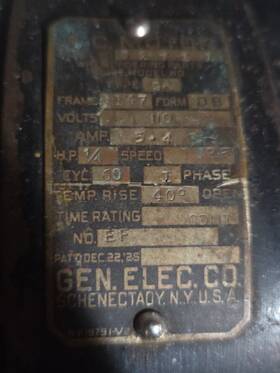
( Brand: Ge ), ( Manufacturer Part Number: 32717 ), ( Part Type: Hp Motor Work ), ( Rated Load: Hp ), ( Current Type: Ac ), ( Nominal Rated Input Voltage: 110 V ), ( Ac Phase: Single Phase ), ( Country Of Origin: United States )
Review GE Antique Vintage General Electric Motor 1/4 Hp Rpm Works
The **GE 32717 Antique 1925 General Electric Horsepower, 1725 RPM Motor** is a meticulously preserved relic of early 20th-century engineering, embodying the craftsmanship and innovation of the Golden Age of American industry. Manufactured by General Electric in the mid-1920s, this motor represents a rare and highly sought-after example of vintage electric machinery, designed for durability and efficiency in the burgeoning era of electrification. Crafted with a robust cast iron housing, the motor features a classic drip-proof, totally enclosed design, ensuring reliable operation in both indoor and outdoor environments ideal for applications ranging from small workshop tools to early household appliances. Its compact yet sturdy construction, with a horsepower output, was perfectly suited for tasks requiring moderate power, such as driving fans, lathes, or early electric clocks, while its 1725 RPM speed strikes a balance between torque and efficiency for a wide array of mechanical systems.
The motor s wiring and terminal block exhibit the clean, functional aesthetic of the era, with neatly arranged connections and a simple yet effective design that prioritized reliability over ornate decoration. The rotor and stator assembly, likely constructed from high-quality copper windings and laminated steel, reflects the advanced yet practical engineering of the time, ensuring smooth operation with minimal maintenance. The absence of modern insulation materials or advanced cooling systems underscores the ingenuity of early electric motor design, where simplicity and robustness were paramount. For collectors, historians, and enthusiasts of industrial heritage, this motor serves as a tangible link to the technological advancements that shaped the modern world, offering both aesthetic appeal and functional utility.
When restored, the GE 32717 stands as a testament to the enduring legacy of General Electric s early contributions to electrical engineering, making it a prized addition to any collection of vintage machinery. Its historical significance, combined with its potential for repurposing in DIY projects, antique restorations, or as a centerpiece in a mechanical museum display, ensures that this motor is far more than a relic it is a piece of living history. Whether admired for its craftsmanship, studied for its engineering principles, or utilized for its practical performance, the 1925 GE HP motor remains a fascinating artifact of an era when American industry was at its peak.
### **Pros and Cons of Buying a GE 32717 Antique 1925 General Electric HP, 1725 RPM Motor**
#### **Pros:**1. **Historical and Collectible Value** As a well-preserved 1925 GE motor, it holds significant historical value, especially if it is in original condition. Collectors of vintage industrial equipment may pay a premium for authentic, unmodified examples.
2. **Potential for Restoration and Repurposing** If the motor is functional or can be restored, it could be used in hobbyist projects, antique machinery, or as a decorative piece in a workshop or museum setting.
3. **Unique Aesthetic Appeal** The motor s vintage design, brass details, and mechanical craftsmanship make it an attractive piece for enthusiasts of early 20th-century engineering.
4. **Possible Resale or Trade Value** If properly documented and presented, it may fetch a good price among collectors or at industrial antique fairs.
5. **Educational Value** Studying the motor s construction and operation provides insight into early electric motor design, which can be valuable for engineers, historians, or students of mechanical engineering.
#### **Cons:**1. **Likely Non-Functional or Difficult to Repair** Motors from this era were built with different materials, tolerances, and electrical standards than modern units. Without original documentation or a skilled restorer, repairing it may be impractical or cost-prohibitive.
2. **High Risk of Electrical Hazards** If the motor is old and has been stored improperly, it may have degraded insulation, rusted windings, or other safety concerns. Testing and restoration would require expertise.
3. **Limited Practical Use** Even if functional, its HP and 1725 RPM specifications may not match modern applications. Most contemporary machinery uses standardized motors with universal compatibility.
4. **Maintenance Challenges** Original lubrication, bearings, and seals may be long worn out. Replacing parts could be difficult due to discontinued components or lack of suppliers.
5. **Cost of Restoration vs. Replacement** If restoration is attempted, the labor and parts could exceed the motor s value. A modern replacement motor of similar power would likely be far cheaper and more reliable.
6. **No Warranty or Support** Unlike new motors, there is no manufacturer support, warranty, or guarantee of performance.
7. **Storage and Handling Risks** If the motor is rusted or damaged, transporting it could require careful handling to avoid further deterioration.
#### **Conclusion:**Buying this 1925 GE motor is primarily a decision between **historical/collectible value** and **practical utility**. If you are an enthusiast, historian, or collector with the resources to properly restore and preserve it, it could be a worthwhile acquisition. However, if functionality and ease of use are priorities, the risks and costs of restoration likely outweigh the benefits compared to purchasing a modern equivalent.
#### **Recommendation:**- **If you are a collector or hobbyist** with experience in vintage machinery restoration, proceed with caution. Investigate its condition thoroughly, consider professional restoration, and be prepared for potential hidden issues.
- **If you need a functional motor for a project**, weigh the cost of restoration against the value of a new or refurbished motor. Unless you have a specific need for the aesthetic or historical aspect, a modern replacement is likely the more practical choice.
- **If unsure about its condition**, consult an electrician or motor specialist before purchasing to assess repair feasibility and safety risks.
Ultimately, this motor is best suited for those who appreciate its historical significance over its practical utility. For most users, the effort and expense required to make it functional would not justify its purchase.
Details:
Tested Working, cord has been replaced a multi-speed pulley on it came off oaf model 2 wood lathe. The model number of this electric motor is 32717, making it a valuable and functional addition to any industrial automation or motion control system. This AC motor was manufactured in the USA by GE and operates on a single phase power supply.
part #: 32717 prices
- $70.00-$140.00
specifications oelemot:
- brand: Ge
- mpn: 32717
- part type: Hp Motor Work
- rated load: Hp
- current type: Ac
- nominal rated input voltage: 110 V
- ac phase: Single Phase
- country of origin: United States
General oelemot:
- Industrial Automation Motion Controls > Electric Motors > General Purpose Motors
- condition: Used
shipping oelemot:
- carrier: USPS
- service: USPS Ground AdvantaGe
- class: Standard
- transit: 4-9 Days
- type: Calculated
- cost: $41.98
seller oelemot:
- # reviews: 703
- city: Shakopee, Minnesota
- rating: 99.3%
payments oelemot:
- credit card: Visa
- wallet: Paypal
- other
returns oelemot:
- policy: No Returns
offer oelemot:
- quantity: 1
- availability: In Stock
- started: April 9, 2026
- sold: 0
- options: Ship-to-home
- best offers: True
Ge 32717 Is Similar To:
- 1051d Ge Neral Electric 30 Hp (42.7% similar) I can put in crate or pallet if you would like to set up shipping...(February 11th, 2017)
- 1342 Ge Motor 5ksp11fg1217s 0 (29.1% similar) Images to this offer is for one: motor as seen in photos described title. Some of the motors are older brand name that have changed over. The title may show cross reference model's we found on-line...(July 21st, 2017)
- 139027 Ge 1000 Hp Synchronous Motor (27.5% similar) Ge 1000 hp synchronous electric motor model 450 rpm 4000 vac 126 amps 870 VA 3 phase 60 cycle frame 778 power factor...(December 21st, 2016)
- 151x1225fa01pc01r2 General Electric New Ge (39.7% similar) Buyer to arrange and pay for shipping approximate weight 350 lbs, will provide actual after crating. By buying on this item you accept the previously stated conditions...(May 1st, 2017)
- 1q-2018-0021 General Electric Ge Explosion Proof Motor (40.6% similar) Ge 5KS184CAA205, E9613 explosion proof motor lock: shelf...(August 6th, 2018)
- 1q-2018-0022 Ge Neral Electric In Box (39.6% similar) ...(August 6th, 2018)
- 219504 Ge 5kc36fg198ex 1-3hp Electric (30.6% similar) ...(July 12th, 2017)
- 2436492g1 General Electric Ge Racking (43.2% similar) 40 lbs shipping dimensions: 11...(January 3rd, 2018)
- 26310 Ge Merkle Korff Model Hz Amp Motor Aur Arbox (29% similar) Motor Gearbox commonly used for augers...(March 8th, 2019)
- 27461 Ge Antique Neral Electric Ac Motor Nice Cast Iron (52.7% similar) Great looking ac motor early model very nice cast iron there is no damage piece to add any restoration please look at all pictures for full it shows arbor size also have key way if you questions before making final purchase do not hesitate ask of mounting brackets ready table saw or other classic ...(August 9th, 2018)
- 2829 Ge Energy Saver Motor Perm Split Capacitor 00685744028291 (32.4% similar) Ge 2829 energy saver motor 1/3 hp 115V 1075RPM permanent split capacitor cc cw rotation bolt through mount shaft 4 x 2 flat side...(September 5th, 2018)