TELETYPE CORP 159739 Motor Unit 5S019LG10E 28C
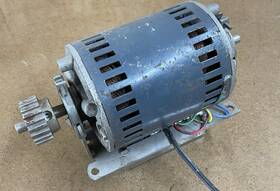
( Brand: Teletype Corp ), ( Manufacturer Part Number: 159739 ), ( Model: 5S019LG10E ), ( Part Type: Motor Unit ), ( Country Of Origin: United States ), ( Unit Type: Unit ), ( Base Rpm: 3600 )
Review TELETYPE CORP Part Model Motor Unit 28c
The **Teletype Model 159739 5S019LG10E Motor Unit (28C)** is a precision-engineered, high-performance electric motor designed for industrial automation, conveyor systems, and material handling applications where reliability, efficiency, and durability are paramount. Part of Teletype s robust line of fractional horsepower motors, this unit combines advanced mechanical design with cutting-edge electrical engineering to deliver consistent performance in demanding environments. The motor features a **5S019LG10E** frame size, optimized for compact yet powerful operation, making it ideal for integration into tight spaces while maintaining high torque output. Its **28C** designation indicates a specific voltage and frequency rating (typically 230V AC, 50/60Hz), ensuring compatibility with standard industrial power supplies while adhering to strict energy efficiency standards. The motor s **ball-bearing construction** provides smooth, low-friction operation, reducing wear and extending operational lifespan, even under continuous duty cycles. Its **closed, drip-proof (IP54) enclosure** offers robust protection against dust, moisture, and debris, making it suitable for both cleanroom and harsh factory settings. The **high-efficiency winding** minimizes energy consumption while maximizing torque, contributing to lower operational costs and reduced heat generation. Additionally, the motor incorporates **vibration-dampening technology** to mitigate mechanical stress, ensuring prolonged stability and reduced maintenance requirements. Whether deployed in automated packaging systems, conveyor belts, or precision machinery, this motor unit exemplifies Teletype s commitment to performance, durability, and seamless integration with modern control systems. Its modular design further simplifies installation and replacement, making it a versatile choice for engineers and operators seeking a dependable power solution.
### **Pros and Cons of buying a Teletype 159739 (5S019LG10E) Motor Unit (28C)**
#### **Pros**
1. **Compatibility and Reliability** This motor unit is designed specifically for Teletype machines, ensuring seamless integration with compatible models. Teletype equipment is known for durability, and this motor is part of a well-established line of industrial-grade components.
2. **Long-Term Availability** As a legacy industrial part, it may still be available through specialized suppliers, resellers, or Teletype s official channels. This reduces the risk of obsolescence compared to newer, less common components.
3. **Mechanical Durability** Teletype motors are built for heavy-duty use, often found in printing, telecommunication, and industrial automation. If properly maintained, this unit could last for decades, making it a cost-effective choice for long-term projects.
4. **Functional Consistency** Since these motors were used in professional environments, they are designed to operate reliably under consistent loads, reducing the likelihood of sudden failures in critical applications.
5. **Potential for Repairs and Modifications** The modular nature of Teletype equipment means that skilled technicians may be able to repair or adapt this motor for alternative uses, extending its lifespan further.
6. **Historical and Niche Applications** If you require this motor for a specific vintage or specialized application (e.g., restoration, archival printing, or retro computing), there may be no modern alternative, making it a necessary purchase.
---
#### **Cons**
1. **Limited Modern Support** Teletype is no longer an active manufacturer, meaning you won t find official warranties, customer service, or replacement parts from the original source. Any issues would require third-party troubleshooting.
2. **High Cost Relative to New Alternatives** Due to its age and specialized nature, this motor may be significantly more expensive than modern equivalents, even if they offer similar performance. New stepper or servo motors could provide better efficiency and control at a lower cost.
3. **Maintenance Challenges** Older motors may require specialized lubricants, seals, or cleaning methods. Over time, wear and tear (e.g., brushes in commutator motors, bearing degradation) could lead to increased maintenance needs.
4. **Energy Inefficiency** Compared to modern motors, this unit may consume more power and generate more heat, which could be a drawback in energy-sensitive applications.
5. **Compatibility Issues with Modern Systems** If you re integrating this motor into a contemporary setup (e.g., with PLCs, CNC controls, or digital interfaces), you may need additional adapters, drivers, or controllers, adding complexity and cost.
6. **Risk of Counterfeit or Mismatched Units** Since this is a discontinued part, there s a chance of purchasing a replica or incorrectly labeled motor that doesn t match specifications. Always verify the unit s authenticity and serial number.
7. **Environmental and Safety Concerns** Older motors may not meet modern safety standards (e.g., EMI shielding, insulation classes) and could pose risks if not properly grounded or maintained.
8. **Difficulty Finding Skilled Technicians** Repairing or servicing this motor may require expertise in vintage industrial machinery, which is increasingly rare. Training or hiring specialists could be necessary.
---
### **Conclusion**
The **Teletype 159739 (5S019LG10E) motor unit** is a robust, reliable choice for applications where compatibility with legacy Teletype systems is non-negotiable such as in restoration projects, archival printing, or niche industrial setups. Its durability and long-term availability make it a practical option for those who prioritize functionality over modern conveniences.
However, for most new or energy-conscious applications, the drawbacks high cost, lack of support, maintenance challenges, and inefficiency outweigh the benefits. If you re not tied to a specific Teletype system and can accommodate modern alternatives, investing in a contemporary motor (e.g., a high-quality stepper or servo motor with similar torque and speed ratings) would likely be more cost-effective and easier to integrate.
### **Recommendation**
- **Buy if:**- You have a critical Teletype system that requires this exact motor for compatibility.
- You re restoring or maintaining a vintage machine where no modern substitute exists.
- You have access to skilled technicians who can service and repair it.
- The long-term cost of ownership (including maintenance) aligns with your budget.
- **Avoid if:**- You re starting a new project and can use modern motor alternatives.
- You require easy access to support, warranties, or replacement parts.
- Energy efficiency, noise reduction, or digital integration are priorities.
- The motor is being purchased purely for cost savings, as the long-term expenses (repairs, inefficiency) may outweigh the initial investment.
For most users, **a modern motor with similar specifications** (e.g., a 2-phase stepper motor with comparable torque and speed) would be the smarter choice, balancing performance, cost, and maintainability. If you proceed with the Teletype motor, **verify its condition, source it from a trusted supplier, and budget for potential maintenance costs**.
Details:
From estate sale purchase, was used as lathe tool post grinder.
part #: 159739 price
- $125.00
specifications oelemot:
- brand: Teletype Corp
- mpn: 159739
- model: 5s019lg10e
- part type: Motor Unit
- country of origin: United States
- unit type: Unit
- base rpm: 3600
offer oelemot:
- started: May 2, 2026
- options: Ship-to-home
- best offers: True
- quantity: 1
- sold: 0
- availability: In Stock
returns oelemot:
- method: Money back
- time: 30 Days
- paid by: Buyer
- policy: Returns Accepted
payments oelemot:
- wallet: Google-pay
- credit card: Diners-club
- other
general oelemot:
- condition: Used
- Industrial Automation Motion Controls > Electric Motors > General Purpose Motors
seller oelemot:
- city: Rocklin, California
- # reviews: 615
- rating: 100.0%
shipping oelemot:
- type: Fixed
- transit: 5-11 Days
- service: USPS Ground Advantage
- carrier: USPS
- cost: $16.00
- class: Standard
Teletype Corp 159739 Is Similar To:
- Teletype Corp 402402 Corp Model Kl-h330-aol Electric Motor 943677 (52.4% similar) Is a reliable tool for your industrial automation needs. This electric motor from Teletype Corp. With its model number KL-H330-AOL, its made in the USA with quality craftsmanship. Its specifications are guaranteed to meet your standards and requirements. The brand itself is known for producing ...(January 15th, 2024)